

Real Estate Photography Tips for Multi-Unit and Investment Property Listings
Real Estate Photography plays a crucial role in attracting potential buyers and investors, especially when marketing multi-unit and investment property listings. High-quality images not only highlight the property’s best features but also help convey a sense of professionalism and trust. When done right, Real Estate Photography can make the difference between a listing that sits and one that sells quickly.
Why Real Estate Photography Matters for Multi-Unit and Investment Properties
Multi-unit and investment properties often require a unique approach to Real Estate Photography. Unlike single-family homes, these listings need to appeal to both the investor’s desire for profitability and the tenant’s need for livable, attractive spaces. Professional photography ensures that the property’s potential is captured in a way that speaks to both audiences.
With many investment properties competing for attention online, a polished visual presentation can set your listing apart. Crisp, well-lit images create an immediate connection, encouraging viewers to explore further.
Preparing the Property for Real Estate Photography
Preparation is a critical first step in Real Estate Photography. Multi-unit buildings often have more common areas, shared amenities, and exterior features that require attention before the shoot.
-
Declutter and clean: Remove personal items, debris, or outdated décor.
-
Highlight amenities: Ensure fitness centers, lobbies, and pools are clean and inviting.
-
Exterior presentation: Power-wash walkways, trim landscaping, and ensure exterior lighting works.
By setting the stage properly, your Real Estate Photography session can deliver stunning results.
Highlighting Key Features Through Real Estate Photography
Every property has selling points, and multi-unit listings are no exception. Real Estate Photography should emphasize features that matter most to buyers and renters alike. This might include:
-
Spacious layouts: Capture wide-angle shots to showcase room size and flow.
-
Modern upgrades: Highlight renovated kitchens, updated flooring, or new appliances.
-
Outdoor spaces: Feature balconies, patios, or shared gardens in the best possible light.
Positioning the camera to enhance depth and proportion can make spaces look more open and inviting.
Showcasing Common Areas and Amenities in Real Estate Photography
One of the strongest selling points for multi-unit and investment properties is shared amenities. Real Estate Photography should capture these in a way that conveys both functionality and lifestyle benefits.
For example:
-
A pool shot at golden hour can evoke relaxation.
-
A fitness center with bright, even lighting can feel more spacious and appealing.
-
A lobby shot from a low angle can convey elegance and scale.
Investors want to see the amenities that will help attract and retain tenants, so giving these spaces dedicated attention is essential.
Capturing Multiple Units Effectively in Real Estate Photography
With multi-unit properties, consistency in Real Estate Photography is key. If photographing several units, ensure that lighting, angles, and composition remain similar across all images. This approach provides a cohesive look for marketing materials and allows potential buyers or renters to compare spaces easily.
Additionally, consider capturing one fully staged unit to show potential. Even in unfurnished units, a virtual staging service can help create a vision for the space.
The Importance of Exterior Shots in Real Estate Photography
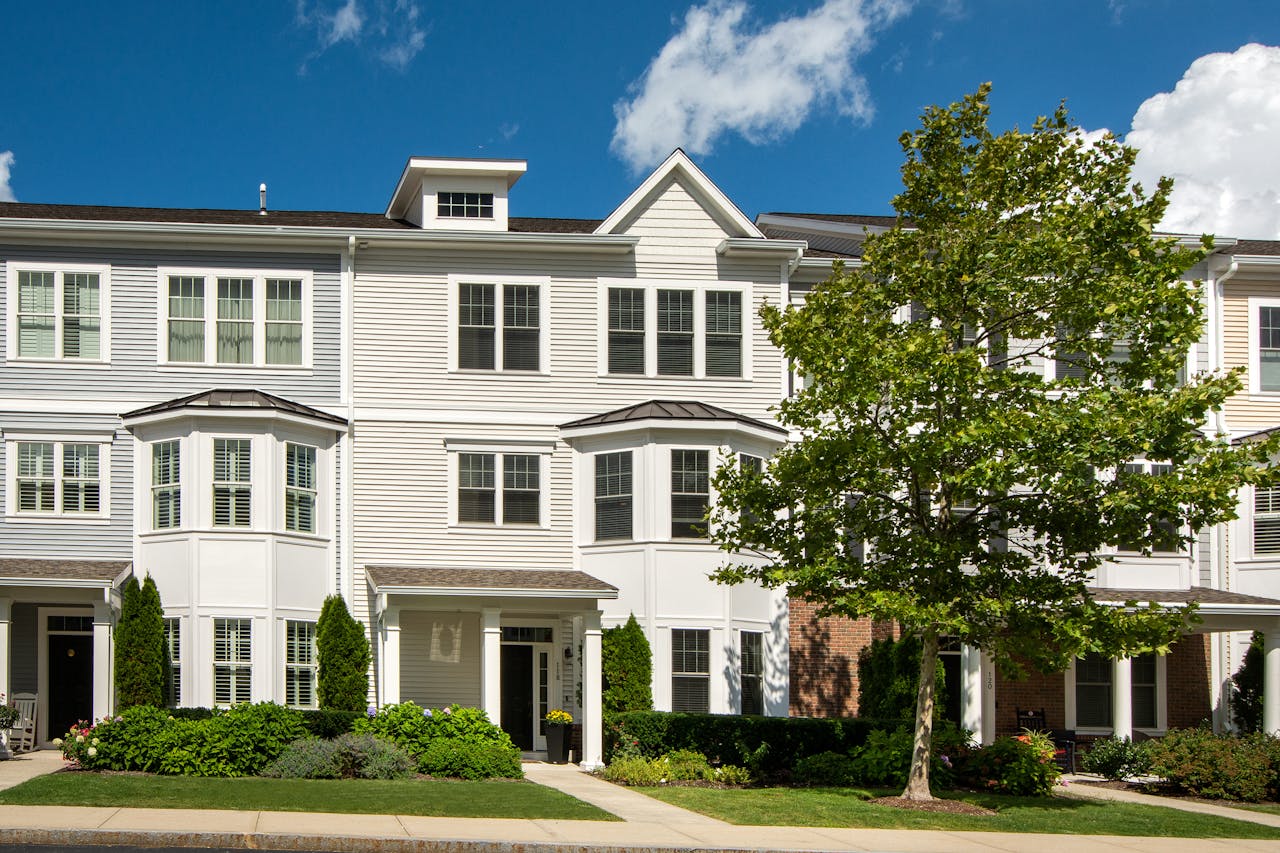
For investment properties, curb appeal extends beyond single-family charm. Real Estate Photography should include detailed exterior shots of the building, parking areas, signage, and landscaping. A well-composed exterior photo can establish credibility and highlight the property’s upkeep, which can be a deciding factor for investors.
Aerial drone photography can also add value by showing the building’s location to nearby amenities, roads, or public transport.
Lighting Techniques
Lighting is one of the most essential elements in Real Estate Photography. Natural light works best for interiors, but for multi-unit buildings, you may need to blend natural and artificial lighting. This ensures rooms look bright and welcoming without harsh shadows.
Consider scheduling shoots during times when the property receives the most sunlight. For evening amenities, use balanced artificial lighting to create warmth and depth.
Using Wide-Angle Lenses
Wide-angle lenses are essential tools for Real Estate Photography, especially for compact units. They allow you to capture more of the room in one shot, giving viewers a better sense of space. However, overusing extreme wide angles can distort the image, so use them with care to maintain realistic proportions.
Post-Processing for Multi-Unit
Post-processing enhances the final results of Real Estate Photography. Basic adjustments like correcting white balance, improving brightness, and straightening lines can significantly improve image quality. For investment listings, removing minor blemishes or distractions digitally can help maintain a polished, professional appearance.
Editing should enhance the truth of the space, not misrepresent it. Authenticity builds trust with buyers and tenants alike.
Marketing Multi-Unit Properties
Once your images are ready, use them strategically. Real Estate Photography is most effective when paired with strong listing descriptions, floor plans, and even video walkthroughs. For multi-unit listings, include a mix of unit interiors, amenities, and exterior shots to give viewers a complete understanding of the property.
Consider using online advertising platforms, social media, and dedicated property websites to maximize exposure.
Common Mistakes to Avoid in Real Estate Photography
Even experienced professionals can make errors in Real Estate Photography for multi-unit properties. Avoid:
-
Shooting in poor lighting conditions.
-
Ignoring key amenities.
-
Over-editing to the point of misrepresentation.
-
Failing to maintain a consistent style across images.
Keeping these pitfalls in mind ensures your photography remains authentic and compelling.
Leveraging a Photography Checklist for Multi-Unit Real Estate Photography
To maintain quality and consistency, work from a checklist. This ensures you capture every vital angle, room, and amenity. For a helpful guide, read more about preparing and shooting multi-unit properties.
Final Thoughts
Real Estate Photography is more than just taking pictures — it’s about creating a visual story that attracts and convinces. For multi-unit and investment properties, the right images highlight not only the space but also the potential lifestyle and return on investment.
By preparing thoroughly, focusing on key features, and maintaining consistency, your listings can stand out in a crowded market. With attention to detail and the right approach, Real Estate Photography becomes a powerful marketing tool for securing interest and closing deals faster.
A relative video that may interest you…